


ဟန်တရုတ်လူမျိုး
| 汉族/漢族 汉人/漢人 | |
|---|---|
| လူဦးရေ စုစုပေါင်း | |
| ၁.၄ ဘီလီယံခန့်[၁] | |
| အများစု နေထိုင်သည့် နေရာ | |
 တရုတ် ၁,၃၁၃,၃၄၅,၈၅၆ (စုစုပေါင်း လူဦးရေ၏ ၉၁.၆%)[၂] တရုတ် ၁,၃၁၃,၃၄၅,၈၅၆ (စုစုပေါင်း လူဦးရေ၏ ၉၁.၆%)[၂] ထိုင်ဝမ် စုစုပေါင်း လူဦးရေ၏ ၉၅% ကျော်[၃][၄] ထိုင်ဝမ် စုစုပေါင်း လူဦးရေ၏ ၉၅% ကျော်[၃][၄]  ဟောင်ကောင် ၆,၇၅၂,၂၀၂[၅][ပိုမိုကောင်းမွန်သော ရင်းမြစ် လိုအပ်သည်] ဟောင်ကောင် ၆,၇၅၂,၂၀၂[၅][ပိုမိုကောင်းမွန်သော ရင်းမြစ် လိုအပ်သည်] မကာအို ၆၆၃,၄၀၀[၆] မကာအို ၆၆၃,၄၀၀[၆] | |
| နိုင်ငံရပ်ခြား တရုတ်လူမျိုး (အစဉ်အဆက် နေထိုင်မှုအရ) | |
 ထိုင်း ထိုင်း | ၉,၃၉၂,၉၈၇[၇] |
 မလေးရှား မလေးရှား | ၆,၆၅၀,၀၀၉[၈] |
 အမေရိကန် အမေရိကန် | ၃,၇၉၅,၀၀၇-၅,၁၀၀,၀၀၀[၉][၁၀] |
 စင်ကာပူ စင်ကာပူ | ၂,၉၆၇,၇၆၅[၁၁] |
 အင်ဒိုနီးရှား အင်ဒိုနီးရှား | ၂,၈၃၃,၁၃၄[၁၂] |
 မြန်မာ မြန်မာ | ၁,၆၃၈,၀၀၀[၁၃] |
 ကနေဒါ ကနေဒါ | ၁,၄၆၉,၀၀၀[၁၄] |
 ဖိလစ်ပိုင် ဖိလစ်ပိုင် | ၁,၃၅၀,၀၀၀[၁၅] |
 ဩစတြေးလျ ဩစတြေးလျ | ၁,၂၁၃,၉၀၃[၁၆] |
 ရုရှား ရုရှား | ၉၉၈,၀၀၀[၁၇] |
 ဂျပန် ဂျပန် | ၉၂၂,၀၀၀[၁၈] |
 ဗီယက်နမ် ဗီယက်နမ် | ၈၂၃,၀၀၀[၁၉] |
 ပြင်သစ် ပြင်သစ် | ၇၀၀,၀၀၀[၁၇] |
 ဗင်နီဇွဲလား ဗင်နီဇွဲလား | ၄၅၀,၀၀၀[၂၀] |
 ယူနိုက်တက်ကင်းဒမ်း ယူနိုက်တက်ကင်းဒမ်း | ၄၃၃,၀၀၀[၂၁] |
 ပီရူး ပီရူး | ၃၇၅,၉၅၄[၂၂] |
 တောင်အာဖရိက တောင်အာဖရိက | ၃၅၀,၀၀၀[၂၃] |
 အီတလီ အီတလီ | ၃၃၄,၀၀၀[၂၄] |
 နယူးဇီလန် နယူးဇီလန် | ၂၃၁,၀၀၀[၂၅] |
 ဂျာမနီ ဂျာမနီ | ၂၁၂,၀၀၀[၂၆] |
 တောင်ကိုရီးယား တောင်ကိုရီးယား | ၂၁၀,၀၀၀[မှတ်စု ၁][၂၇] |
 ကမ္ဘောဒီးယား ကမ္ဘောဒီးယား | ၂၁၀,၀၀၀[၂၈] |
 အာဂျင်တီးနား အာဂျင်တီးနား | ၂၀၀,၀၀၀ |
 အိန္ဒိယ အိန္ဒိယ | ၁၈၉,၀၀၀[၁၇] |
 လာအို လာအို | ၁၈၆,၀၀၀[၁၇] |
 စပိန် စပိန် | ၁၇၂,၀၀၀[၂၉] |
 ဘရာဇီး ဘရာဇီး | ၁၅၂,၀၀၀[၁၇] |
 နယ်သာလန် နယ်သာလန် | ၁၄၅,၀၀၀[၁၇] |
 ပနားမား ပနားမား | ၁၃၅,၀၀၀[၃၀][၃၁] |
 မက္ကဆီကို မက္ကဆီကို | ၇၀,၀၀၀[၃၂] |
 ကော့စတာရီကာ ကော့စတာရီကာ | ၁၉,၀၀၀[၃၃] |
 အိုင်ယာလန် အိုင်ယာလန် | ၁၁,၀၀၀[၃၄] |
| ဘာသာစကား | |
| တရုတ် | |
| ကိုးကွယ်မှု | |
| အဓိကအားဖြင့် ဘာသာမဲ့များ၊ မဟာယန ဗုဒ္ဓဘာသာ၊ တရုတ်ရိုးရာ နတ်ကိုးကွယ်မှု (တာအို၊ ဘိုးဘွားများ ဝတ်ပြုခြင်း၊ [[ကွန်ဖြူးရှပ်ဝါဒ ]]နှင့် အခြားများ အပါအဝင်)၊ ခရစ်ယာန်နှင့် အခြား ယုံကြည်မှုများ[၃၅] | |
| ဆက်စပ် တိုင်းရင်းသား အုပ်စုများ | |
| တရုတ်-တိဗက်နွယ် လူမျိုးများ | |
အချို့ ရင်းမြစ်များတွင် ဟန်တရုတ်တို့ကို "တရုတ်လူမျိုး" သို့မဟုတ် တရုတ်-တိဗက်နွယ် လူမျိုးအုပ်စုတွင် ထည့်သွင်းရည်ညွှန်းသည်။ | |
| ဟန်တရုတ်လူမျိုး | |||||||||||||||||||||||||||||||||||||||||
| ရိုးရှင်းသော တရုတ် | 汉族 | ||||||||||||||||||||||||||||||||||||||||
|---|---|---|---|---|---|---|---|---|---|---|---|---|---|---|---|---|---|---|---|---|---|---|---|---|---|---|---|---|---|---|---|---|---|---|---|---|---|---|---|---|---|
| ရိုးရာ တရုတ် | 漢族 | ||||||||||||||||||||||||||||||||||||||||
| |||||||||||||||||||||||||||||||||||||||||
ဟန်တရုတ်၊[၃၆][၃၇][၃၈] ဟန်ဇူ[၃၉][၄၀][၄၁] သို့မဟုတ် ဟန်လူမျိုး[၄၂][၄၃][၄၄][၄၅] (UK: /hæn/,[၄၆] US: /hɑːn/;[၄၇] ရိုးရှင်းတရုတ်: 汉人; ရိုးရာတရုတ်: 漢人; ပင်ယင်: Hànrén[မှတ်စု ၂][၄၈] သို့မဟုတ် ရိုးရှင်းတရုတ်: 汉族; ရိုးရာတရုတ်: 漢族; ပင်ယင်: Hànzú)[မှတ်စု ၃][၄၉][၅၀] သည် ခေတ်သစ်တရုတ်နိုင်ငံ၏ မြစ်ဝါမြစ်ဝှမ်းဒေသတွင် သမိုင်းတလျောက် မွေးဖွားနေထိုင်ခဲ့ကြသော အရှေ့အာရှ လူမျိုးစုတစ်ခု ဖြစ်သည်။[၅၁][၅၂][၅၃][၅၄][၅၅] ဟန်တရုတ်တို့သည် ကမ္ဘာ့လူဦးရေ၏ ၁၈% အထိရှိပြီး ကမ္ဘာ့လူဦးရေ အများဆုံး လူမျိုးစု ဖြစ်ကာ တရုတ်ဘာသာစကားကို ပြောဆိုကြသည်။[၅၆][၅၇] ဟန်တရုတ်လူမျိုး ၁.၄ ဘီလီယံခန့်သည် တရုတ်ပြည်မကြီးတွင် အဓိက နေထိုင်ကြပြီး တရုတ်ပြည်မကြီး စုစုပေါင်း လူဦးရေ၏ ၉၂ % ခန့် ရှိသည်။[၅၈][၅၉] ဟန်တရုတ်လူမျိုး အဆက်အနွယ်များသည် စင်ကာပူနိုင်ငံတွင် စုစုပေါင်း လူဦးရေ၏ ၇၅% ခန့် နေထိုင်ကြသည်။[၆၀]
ဟန်တရုတ်တို့သည် မြစ်ဝါမြစ်တလျောက် အခြေချနေထိုင်ခဲ့သော ဟွာရှား (Huaxia) မျိုးရိုးမှ ဆင်းသက်လာခြင်း ဖြစ်သည်။[၆၁][၆၂] ဟွာရှားဟူသော ဝေါဟာရသည် တရုတ်မြောက်ပိုင်း မြစ်ဝါမြစ်အလယ်နှင့် အောက်ပိုင်းတလျောက်ရှိ အလယ်မြေပြန့်လွင်ပြင်ဒေသတွင် အခြေချနေထိုင်ခဲ့ကြသော ကျောက်ခေတ်သစ်လူမျိုးစုများဖြစ်သည့် ဟွာ နှင့် ရှား တို့ကို ပေါင်းစပ်ရည်ညွှန်းသည်။[၆၃][၆၄][၆၅][၆၂] ထိုလူမျိုးစုများသည် ခေတ်သစ်တရုတ်လူမျိုးများ၏ ဘိုးဘေးများဖြစ်ကြပြီး တရုတ်လူမျိုးအစုအဝေးကို မွေးဖွားခဲ့ကြသူများ ဖြစ်သည်။[၆၆][၆၄][၆၇]
နိုင်ငံရပ်ခြား တရုတ်အသိုင်းအဝိုင်းအများစုတို့က ဟွားရန် (华人; 華人; Huárén)၊ ဟွားချောင် (华侨; 華僑; Huáqiáo) သို့မဟုတ် ဟွားဇူ (华族; 華族; Huázú) စသော ဝေါဟာရများကို ဟန်တရုတ်လူမျိုးများအား ရည်ညွှန်းခေါ်ဆိုကြပြီး ဟန်လူမျိုးမဟုတ်သော လူမျိုးများအပါအဝင် တရုတ်နိုင်ငံသားများကို ကျူးကော့ရန် (中国人; 中國人) ဟူသော ဝေါဟာရဖြင့် ရည်ညွန်းခေါ်ဆိုကြသည်။[၆၈][၆၉][၇၀] ဟန်လူမျိုး (汉人; 漢人; Hànrén) ဆိုသည်ကို ကမ္ဘာတစ်ဝန်းရှိ တရုတ်မျိုးနွယ်များကို ခေါ်ဆိုရာတွင်လည်း အသုံးပြုလေ့ရှိသည်။[၇၁]
အရှေ့အာရှတွင် အာဏာဖြန့်ကျက်နိုင်ခဲ့ပြီး အိမ်နီးချင်းဒေသများအပေါ် များစွာ လွှမ်းမိုးနိုင်ခဲ့သော ဟန်မင်းဆက်ကို တရုတ်သမိုင်းတွင် ပထမဆုံး အကြီးကျယ်ဆုံးသော ခေတ်တစ်ခုအဖြစ် မှတ်ယူကြသည်။[၇၂][၇၃][၇၄] ရှေးဟွာရှားတို့အပေါ် များစွာ လွှမ်းမိုးနိုင်ခဲ့သော ဟန်မင်းဆက်၏ ဂုဏ်သိက္ခာနှင့် ကျော်ဇောမှုတို့က ယင်းတို့ကို "ဟန်နိုင်ငံသားများ"အဖြစ် မှတ်ယူလာစေနိုင်ခဲ့သည်။[၆၆][၇၅][၇၆][၇၇][၇၈] ဟန်မင်းဆက်မှ မျိုးရိုးအမည်ဆင်းသက်လာသော ဟန်တရုတ်တို့သည် တရုတ်စာလုံးတို့ကို "ဟန်အက္ခရာများ"အဖြစ် ရည်ညွှန်းခေါ်ဆိုကြသည်။[၇၂][၇၉][၇၇]
မှတ်စု
[ပြင်ဆင်ရန်]- ↑ Of the 710,000 Chinese nationals living in Korea in 2016, 500,000 are ethnic Koreans.
- ↑ lit. "ဟန်လူမျိုး"
- ↑ lit. "ဟန်လူမျိုးစု
ကိုးကား
[ပြင်ဆင်ရန်]- ↑ Minahan၊ James B. (2014)။ Ethnic Groups of North, East, and Central Asia: An Encyclopedia။ ABC-CLIO။ pp. 89–95။ ISBN 978-1-61069-018-8။
- ↑ CIA Factbook: "Han Chinese 91.6%" out of a reported population of 1,433,783,686 billion (Dec. 2019 est.)
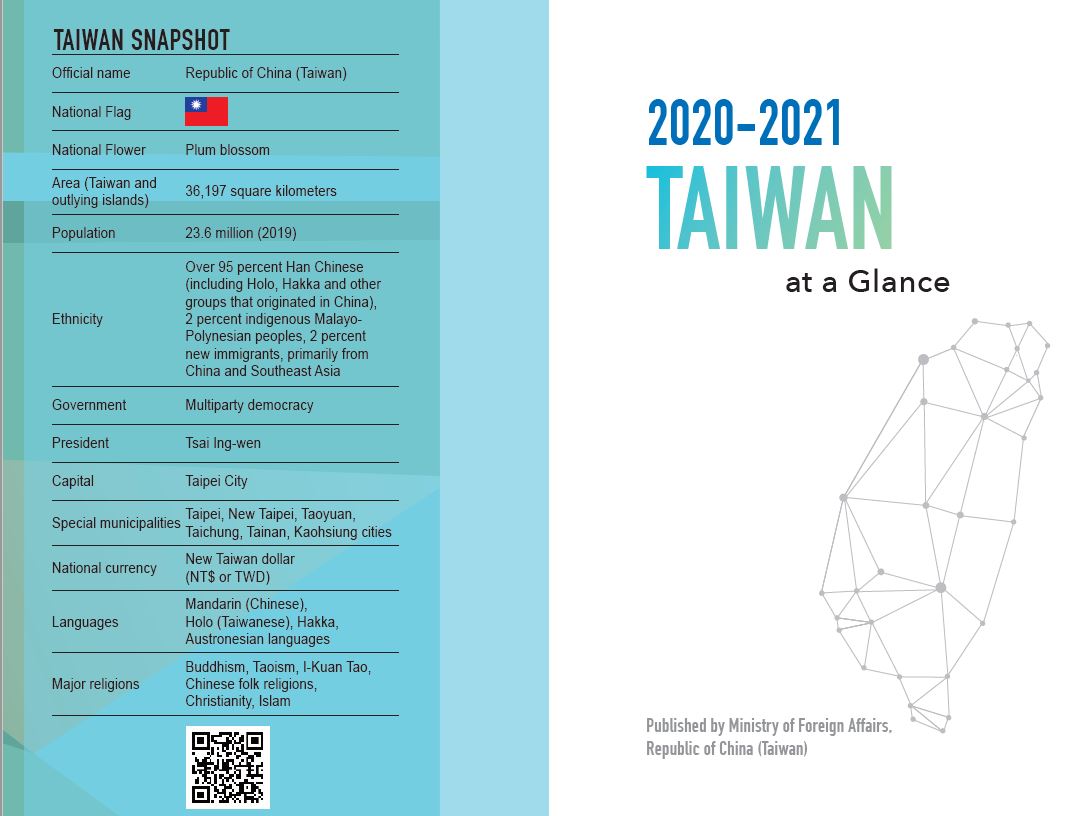
- ↑ TAIWAN SNAPSHOT။ 15 March 2020 တွင် ပြန်စစ်ပြီး။
- ↑ https://academic.oup.com/hmg/article/25/24/5321/2581402
- ↑ 2016 Population By-Census: Main Results။ 10 March 2021 တွင် မူရင်းအား မော်ကွန်းတင်ပြီး။ 20 January 2021 တွင် ပြန်စစ်ပြီး။
- ↑ 2018 Demographics
- ↑ Barbara A. Peru (2009), Encyclopedia of the Peoples of Asia and Oceania, Facts on File, p. 794, ISBN 1-4381-1913-5.
- ↑ Department of Statistics Malaysia Official Portal။ 12 August 2016 တွင် မူရင်းအား မော်ကွန်းတင်ပြီး။ 26 January 2021 တွင် ပြန်စစ်ပြီး။
- ↑ Race Reporting for the Asian Population by Selected Categories: 2010 more information။ United States Census Bureau။ 12 February 2020 တွင် မူရင်းအား မော်ကွန်းတင်ပြီး။ 26 January 2021 တွင် ပြန်စစ်ပြီး။
- ↑ ACS Demographic and Housing Estimates။ U.S. Census Bureau (December 2019)။ 20 March 2020 တွင် ပြန်စစ်ပြီး။
- ↑ Population Trends 2018
- ↑ Kewarganegaraan, Suku Bangsa, Agama dan Bahasa Sehari-hari Penduduk Indonesia Hasil Sensus Penduduk, 2010။ Badan Pusat Statistik။ 2011။ ISBN 978-979-064-417-5။ 2017-07-10 တွင် မူရင်း အား မော်ကွန်းတင်ပြီး။
- ↑ The World Factbook။ 17 February 2016 တွင် ပြန်စစ်ပြီး။
- ↑ Asia Pacific Foundation of Canada။ Population by Ethnic Origin by Province။ Asia Pacific Foundation of Canada။ 22 March 2016 တွင် မူရင်းအား မော်ကွန်းတင်ပြီး။ 26 January 2021 တွင် ပြန်စစ်ပြီး။
- ↑ "Senate declares Chinese New Year as special working holiday" (သတင်းထုတ်ပြန်ချက်)။ Senate of the Philippines။ January 21, 2013။ 2016-04-09 တွင် မူရင်းမှ မော်ကွန်းတင်ပြီး ။ 2016-07-29 တွင် ပြန်စစ်ပြီး။
- ↑ Australia။ Australian Bureau of Statistics။ 30 October 2018 တွင် မူရင်းအား မော်ကွန်းတင်ပြီး။ 31 October 2018 တွင် ပြန်စစ်ပြီး။
- ↑ ၁၇.၀ ၁၇.၁ ၁၇.၂ ၁၇.၃ ၁၇.၄ ၁၇.၅ The Ranking of Ethnic Chinese Population။ 4 January 2011 တွင် မူရင်းအား မော်ကွန်းတင်ပြီး။ 23 September 2016 တွင် ပြန်စစ်ပြီး။
- ↑ 在日华人统计人口达92万创历史新高။
- ↑ Population and Employment။ General Statistics Office Of Vietnam (13 November 2010)။ 13 November 2010 တွင် မူရင်းအား မော်ကွန်းတင်ပြီး။
- ↑ Población china en Venezuela (January 2019)။ 7 January 2019 တွင် ပြန်စစ်ပြီး။
- ↑ 2011 Census: Ethnic group, local authorities in the United Kingdom။ Office for National Statistics (11 October 2013)။ 13 April 2015 တွင် ပြန်စစ်ပြီး။
- ↑ by type။ South America :: Peru — The World Factbook - Central Intelligence Agency။ Cia.gov။ 2020-02-20 တွင် ပြန်စစ်ပြီး။
- ↑ Park၊ Yoon Jung (2009)။ Recent Chinese Migrations to South Africa – New Intersections of Race, Class and Ethnicity (PDF)။ Representation, Expression and Identity။ Interdisciplinary Perspectives။ ISBN 978-1-904710-81-3။ December 28, 2010 တွင် မူရင်း (PDF) အား မော်ကွန်းတင်ပြီး။ September 20, 2010 တွင် ပြန်စစ်ပြီး။
- ↑ Cittadini Non Comunitari: Presenza, Nuovi Ingressi e Acquisizioni di Cittadinanza: Anni 2015–2016။ 12 December 2017 တွင် ပြန်စစ်ပြီး။
- ↑ 2018 Census totals by topic – national highlights | Stats NZ။ Stats.govt.nz။ 23 September 2019 တွင် မူရင်းအား မော်ကွန်းတင်ပြီး။ 26 January 2021 တွင် ပြန်စစ်ပြီး။
- ↑ BiB – Bundesinstitut für Bevölkerungsforschung – Pressemitteilungen – Zuwanderung aus außereuropäischen Ländern fast verdoppelt (in de)။ 9 December 2017 တွင် မူရင်းအား မော်ကွန်းတင်ပြီး။ 26 January 2021 တွင် ပြန်စစ်ပြီး။
- ↑ Foreign national population in Korea up more than 40% in 5 yrs (8 September 2016)။ 10 May 2018 တွင် ပြန်စစ်ပြီး။
- ↑ Chinese living in Kingdom more than doubles since '17 (2018-09-14)။ 15 September 2018 တွင် ပြန်စစ်ပြီး။
- ↑ Cifras de Población a 1 de enero de 2016 : Estadística de Migraciones 2015 : Adquisiciones de Nacionalidad Española de Residentes 2015 (in es)။ 12 December 2017 တွင် ပြန်စစ်ပြီး။
- ↑ [၁] Archived December 4, 2008, at the Wayback Machine.
- ↑ "Little China in Belgrade"၊ BBC News၊ 2001-02-12။
- ↑ "Chinese-Mexicans celebrate repatriation to Mexico"၊ November 23, 2012။
- ↑ X Censo Nacional de Población y VI de Vivienda 2011, Características Sociales y Demográficas (July 2012)။ 19 June 2018 တွင် မူရင်းအား မော်ကွန်းတင်ပြီး။ 22 September 2016 တွင် ပြန်စစ်ပြီး။ “Cuadro 23. Costa Rica: Población total por autoidentificación étnica-racial, según provincia, zona y sexo. Chino(a) 9,170”
- ↑ [၂] Archived October 16, 2012, at the Wayback Machine.
- ↑ 2010 Chinese Spiritual Life Survey conducted by Dr. Yang Fenggang, Purdue University's Center on Religion and Chinese Society. Statistics published in: Katharina Wenzel-Teuber, David Strait. People's Republic of China: Religions and Churches Statistical Overview 2011 Archived 2016-03-03 at the Wayback Machine.. Religions & Christianity in Today's China, Vol. II, 2012, No. 3, pp. 29–54, ISSN 2192-9289.
- ↑ Hsu၊ Cho-yun (2012)။ China: A Religious State။ Columbia University Press။ p. 126။ ISBN 978-0-231-15920-3။
- ↑ Yang၊ Miaoyan (2017)။ Learning to Be Tibetan: The Construction of Ethnic Identity at Minzu။ Lexington Books။ p. 7။ ISBN 978-1-4985-4463-4။
- ↑ Who are the Chinese people? (in တရုတ်). Huayuqiao.org. Retrieved on 2013-04-26.
- ↑ Joniak-Luthi၊ Agnieszka (2015)။ The Han: China's Diverse Majority။ University of Washington Press။ p. 3။ ISBN 978-0-295-80597-9။
- ↑ Chow၊ Kai-wing (2001)။ Constructing Nationhood in Modern East Asia။ University of Michigan Press။ p. 2။ ISBN 978-0-472-06735-0။
- ↑ Rawski၊ Evelyn (2001)။ The Last Emperors: A Social History of Qing Imperial Institutions။ University of California Press။ p. 2။ ISBN 978-0-520-92679-0။
- ↑ Li၊ Xiaobing (2012)။ China at War: An Encyclopedia။ Pentagon Press။ p. 155။ ISBN 978-81-8274-611-4။
- ↑ Fairbank၊ John K. (1983)။ The Cambridge History of China Volume 12: Republican China, 1912–1949, Part 1။ Cambridge University Press။ ISBN 978-1-139-05479-9။ May 20, 2016 တွင် ပြန်စစ်ပြီး။
- ↑ "Genetic evidence supports demic diffusion of Han culture" (2004). Nature 431 (7006): 302–05. doi:. PMID 15372031. Bibcode: 2004Natur.431..302W.
- ↑ Stix, Gary (2008). "Traces of a Distant Past" Archived 13 June 2018 at the Wayback Machine. Scientific American, July: 56–63.
- ↑ Han definition and meaning | Collins English Dictionary။ 2018-06-12 တွင် ပြန်စစ်ပြီး။
- ↑ "Han". Random House Webster's Unabridged Dictionary.
- ↑ Kim၊ Hodong (2004)။ Holy War in China: The Muslim Rebellion and State in Chinese Central Asia, 1864–1877။ Stanford University Press။ p. 320။ ISBN 978-0-8047-7364-5။ May 20, 2016 တွင် ပြန်စစ်ပြီး။
- ↑ Xiaobing Li; Patrick Fuliang Shan (2015)။ Ethnic China: Identity, Assimilation, and Resistance။ Lexington Books။ p. 69။ ISBN 978-1-4985-0729-5။
- ↑ Rawski၊ Evelyn S. (1998)။ The Last Emperors: A Social History of Qing Imperial Institutions။ Stanford University Press။ p. 2။ ISBN 978-0-520-92679-0။
- ↑ "Genome-wide data from two early Neolithic East Asian individuals dating to 7700 years ago" (1 February 2017). Science Advances 3 (2): e1601877. doi:. PMID 28164156. Bibcode: 2017SciA....3E1877S.
- ↑ "Skin Color Variation in Orang Asli Tribes of Peninsular Malaysia" (2012). PLoS ONE 7 (8). doi:. PMID 22912732. Bibcode: 2012PLoSO...742752A.
- ↑ "Genetic structure, divergence and admixture of Han Chinese, Japanese and Korean populations" (2018). Hereditas 155. doi:. PMID 29636655.
- ↑ "A comprehensive map of genetic variation in the world's largest ethnic group - Han Chinese" (13 July 2017). bioRxiv: 162982. doi:.
- ↑ "Genetic structure, divergence and admixture of Han Chinese, Japanese and Korean populations" (2018). Hereditas 155. doi:. PMID 29636655.
- ↑ "Genetic Studies of Human Diversity in East Asia" (February 22, 2007). Philosophical Transactions of the Royal Society B: Biological Sciences 362 (1482): 987–996. doi:. PMID 17317646.
- ↑ "Ancient DNA Reveals That the Genetic Structure of the Northern Han Chinese Was Shaped Prior to three-thousand Years Ago" (2015). PLoS ONE 10 (5): e0125676. doi:. PMID 25938511. Bibcode: 2015PLoSO..1025676Z.
- ↑ You must specify title = and url = when using {{cite web}}. (in zh-TW) (2016)။ 2017-02-18 တွင် မူရင်းအား မော်ကွန်းတင်ပြီး။ 2016-08-23 တွင် ပြန်စစ်ပြီး။ “臺灣住民以漢人為最大族群,約占總人口97%”
- ↑ Executive Yuan, R.O.C. (2014)။ The Republic of China Yearbook 2014 (PDF)။ p. 36။ ISBN 978-986-04-2302-0။ 2016-06-11 တွင် ပြန်စစ်ပြီး။
- ↑ Home။ 16 February 2016 တွင် မူရင်းအား မော်ကွန်းတင်ပြီး။ 26 January 2021 တွင် ပြန်စစ်ပြီး။
- ↑ Minahan၊ James B. (2015)။ Ethnic Groups of North, East, and Central Asia: An Encyclopedia။ ABC-CLIO။ pp. 89–90။ ISBN 978-1-61069-017-1။
- ↑ ၆၂.၀ ၆၂.၁ Schliesinger၊ Joachim (2016)။ Origin of Man in Southeast Asia 2: Early Dominant Peoples of the Mainland Region။ Booksmango။ pp. 13–14။
- ↑ Liu၊ Hong (2017)။ Chinese Business: Landscapes and Strategies။ Routledge။ p. 34။ ISBN 978-1-138-91825-2။
- ↑ ၆၄.၀ ၆၄.၁ Wilkinson၊ Endymion Porter (2015)။ Chinese History: A New Manual။ Harvard University Asia Center။ p. 709။ ISBN 978-0-674-08846-7။
- ↑ Yuan၊ Haiwang (2006)။ The Magic Lotus Lantern and Other Tales from the Han Chinese။ Libraries Unlimited။ p. 6။ ISBN 978-1-59158-294-6။
- ↑ ၆၆.၀ ၆၆.၁ Perkins၊ Dorothy (1998)။ Encyclopedia of China: History and Culture။ Checkmark Books။ p. 202။ ISBN 978-0-8160-2693-7။
- ↑ Schliesinger၊ Joachim (2016)။ Origin of Man in Southeast Asia 2: Early Dominant Peoples of the Mainland Region။ Booksmango။ p. 14။
- ↑ Hui-Ching Chang; Richard Holt (2014-11-20)။ Language, Politics and Identity in Taiwan: Naming China။ Routledge။ pp. 162–64။ ISBN 978-1-135-04635-4။
- ↑ Sheng Lijun (2002)။ China and Taiwan: Cross-strait Relations Under Chen Shui-bian။ Institute of Southeast Asian Studies။ p. 53။ ISBN 978-981-230-110-9။
- ↑ Karl Hack; Kevin Blackburn (2012)။ War Memory and the Making of Modern Malaysia and Singapore။ NUS Press။ p. 96။ ISBN 978-9971-69-599-6။
- ↑ Yuan၊ Haiwang (2006)။ The Magic Lotus Lantern and Other Tales from the Han Chinese။ Libraries Unlimited။ p. 6။ ISBN 978-1-59158-294-6။
- ↑ ၇၂.၀ ၇၂.၁ Minahan၊ James B. (2015)။ Ethnic Groups of North, East, and Central Asia: An Encyclopedia။ ABC-CLIO။ p. 92။ ISBN 978-1-61069-017-1။
- ↑ Walker၊ Hugh Dyson (2012)။ East Asia: A New History။ AuthorHouse။ p. 119။
- ↑ Kang၊ David C. (2012)။ East Asia Before the West: Five Centuries of Trade and Tribute။ Columbia University Press။ pp. 33–34။ ISBN 978-0-231-15319-5။
- ↑ Tanner၊ Harold Miles (2010)။ China: a History: From the Great Qing Empire through the People's Republic of China, 1644–2009။ Hackett Pub Co.။ p. 83။ ISBN 978-1-60384-204-4။
- ↑ Ueda၊ Reed (2017)။ America's Changing Neighborhoods: An Exploration of Diversity through Places။ Greenwood။ p. 403။ ISBN 978-1-4408-2864-5။
- ↑ ၇၇.၀ ၇၇.၁ Eno၊ R.။ The Han Dynasty (206 B.C. – A.D. 220) (PDF)။ Indiana University Press။ p. 1။ 11 July 2019 တွင် မူရင်း (PDF) အား မော်ကွန်းတင်ပြီး။ 26 January 2021 တွင် ပြန်စစ်ပြီး။
- ↑ Li၊ Xiaobing (2012)။ China at War: An Encyclopedia: An Encyclopedia။ Pentagon Press (published June 30, 2012)။ p. 155။ ISBN 978-81-8274-611-4။
- ↑ Schaefer (2008), p. 279.
ဆက်လက်ဖတ်ရှုရန်
[ပြင်ဆင်ရန်]- Yuan၊ Haiwang (2006)။ The Magic Lotus Lantern and Other Tales from the Han Chinese။ Westport, Conn.: Libraries Unlimited။ ISBN 978-1-59158-294-6။ OCLC 65820295။
- Joniak-Lüthi, Agnieszka (2015). The Han: China’s Diverse Majority. Washington, DC: University of Washington Press. ISBN 978-0-295-99467-3 (hardcover). ISBN 9780295741789 (paperback: 2017).
ပြင်ပလင့်ခ်များ
[ပြင်ဆင်ရန်]- How the Han Chinese became the world's biggest tribe – People's Daily Online Sept 16, 2004
- Map share of ethnic by county of China (in တရုတ်)